
Winterizing Figs
Learn how to protect tender fig wood, preserve next year’s breba (first) crop, and set your trees up for a stronger, earlier harvest. From smart siting and heavy mulching to...
Sam Menne |
Learn how to protect tender fig wood, preserve next year’s breba (first) crop, and set your trees up for a stronger, earlier harvest. From smart siting and heavy mulching to...
Sam Menne |

Learn how to overwinter tender perennial plants in Western North Carolina. Learn tips on protecting tropicals, medicinals, and container-grown herbs like turmeric, lemongrass, rosemary, and lavender before the first hard...
Sam Menne |
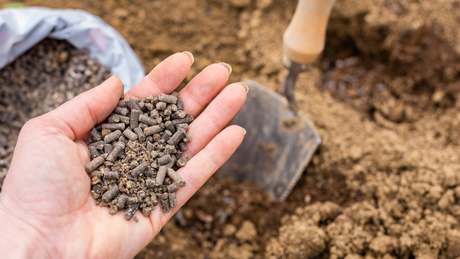
Fall is the season to feed your soil. Learn why phosphorus, potassium, and organic matter matter most now, and how amendments, compost, and cover crops set your garden up for...
Sam Menne |
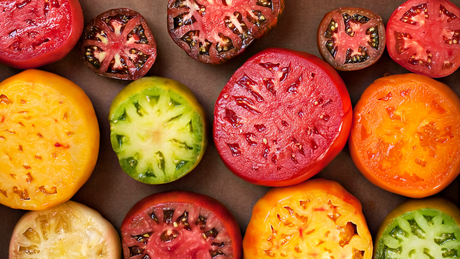
Saving heirloom tomato seeds isn’t just about next year’s harvest, it’s about preserving history, flavor, and tradition. Learn how easy it is to save your own heirloom tomato varieties. When...
Sam Menne |

Learn when and how to harvest and cure your garlic for long-lasting storage and flavor. Plus, get a sneak peek at our seed garlic pre-orders, featuring both organic and conventional varieties...
Sam Menne |

Sweet potatoes are a rewarding and resilient crop for gardeners in Western North Carolina. Whether you're growing in raised beds, containers, or mountain soil, this guide covers everything you need...
Sam Menne |
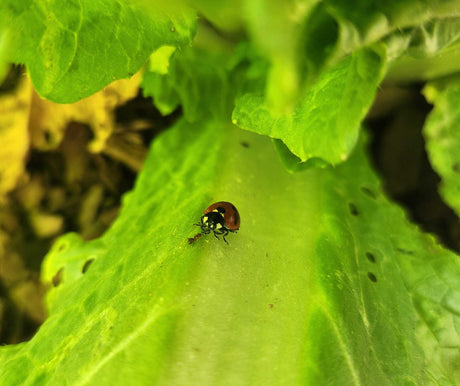
Looking for natural pest control or better soil health? Discover the top beneficial insects for your North American garden, from pollinators like bees and butterflies to hardworking decomposers and pest-eaters...
Ashley Reid |


