False Indigo, Bare Root
Purple flower spikes for bees and butterflies
Delivery and Shipping
Delivery and Shipping
Make sure to thoroughly review our entire "Shipping, Returns, Refunds, and Our Guarantee" page for all relevant details about ordering from our store.
Making a purchase from our store constitutes an agreement to all the conditions outlined in those policies.
We appreciate your support and look forward to being your favorite plant provider!
Subscribe to our newsletter
Sign up for exclusive offers.

False Indigo, Bare Root
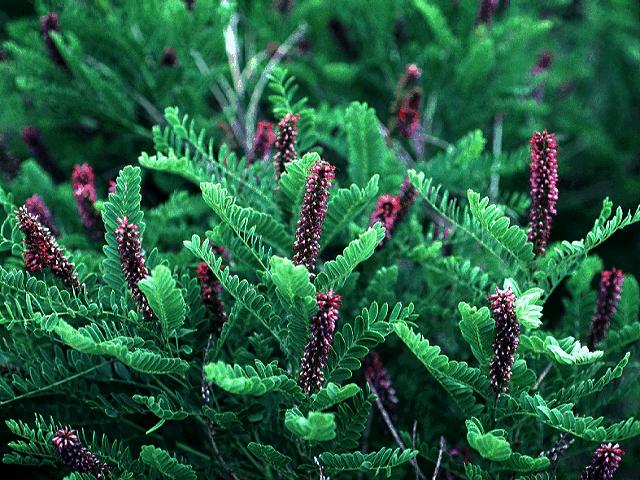
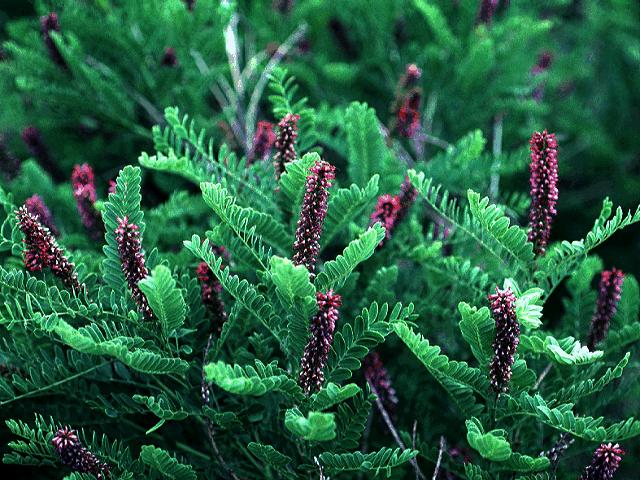
False Indigo (Amorpha fruticosa)
A woody native shrub with fine-textured leaves and upright purple flower spikes. This is indigo bush, not the herbaceous Baptisia plants also called false indigo.
Key Characteristics
Flowers and caterpillar habitat
Golden anthers stand out against the purple flowers. Leaves support silver-spotted skipper and gray hairstreak caterpillars.
A working shrub layer
Root nodules support nitrogen-fixing bacteria, making this a useful element in mixed habitat plantings. It tolerates varied moisture conditions and can help fill a streambank or rain-garden margin.
Give the colony room
Suckers and seedlings can form a broad thicket. Place it where expansion is welcome and remove unwanted shoots along paths or planting edges.
Product Details
- Native range / origin: North America
- Plant type: Deciduous perennial shrub
- Sun: Full Sun; Part Sun/Shade
- Soil moisture: Wet; Medium-Wet; Medium; Medium-Dry; Dry; see site guidance above.
- Mature height: 6–12 feet
- Bloom: April–May–June; Purple, Blue, Yellow
- Fruit / seed: Small dry pods; grown for flowers and habitat, not edible fruit.
- Pollination: No companion required for its ornamental or habitat role.
- Hardiness: USDA zones 4–9
- Stock: 6-18" Seedling.
Planting and Ongoing Care
Keep bare roots moist until planting, spread roots naturally, and water thoroughly. Maintain a mulched area clear of grass, with mulch pulled away from stems. Base feeding on a soil test; our Tree Planting Kit fertilizer blend is optional and should be used according to its label, away from direct contact with bare roots.
Usually has few serious pest problems. Thin crowded stems if airflow declines; avoid spraying flowers or harmless caterpillar feeding.
-
Sun RequirementsFull Sun, Part Sun/Shade
-
Soil RequirementsWet, Medium-Wet, Medium, Medium-Dry, Dry
-
Bloom ColorPurple, Blue, Yellow
-
Bloom TimeApril, May, June
-
USDA Hardiness ZonesZone 4, Zone 5, Zone 6, Zone 7, Zone 8, Zone 9+
-
Native StatesMaine, Vermont, New Hampshire, New York, Pennsylvania, Ohio, Indiana, Illinois, Missouri, Kentucky, Tennessee, Virginia, North Carolina, South Carolina, Georgia, Alabama, Mississippi, Arkansas, Louisiana, Texas
Payment & Security
Payment methods
Your payment information is processed securely. We do not store credit card details nor have access to your credit card information.