
Persimmon, Bare Root
Build a diverse native persimmon grove
Delivery and Shipping
Delivery and Shipping
Make sure to thoroughly review our entire "Shipping, Returns, Refunds, and Our Guarantee" page for all relevant details about ordering from our store.
Making a purchase from our store constitutes an agreement to all the conditions outlined in those policies.
We appreciate your support and look forward to being your favorite plant provider!
Subscribe to our newsletter
Sign up for exclusive offers.
Persimmon, Bare Root
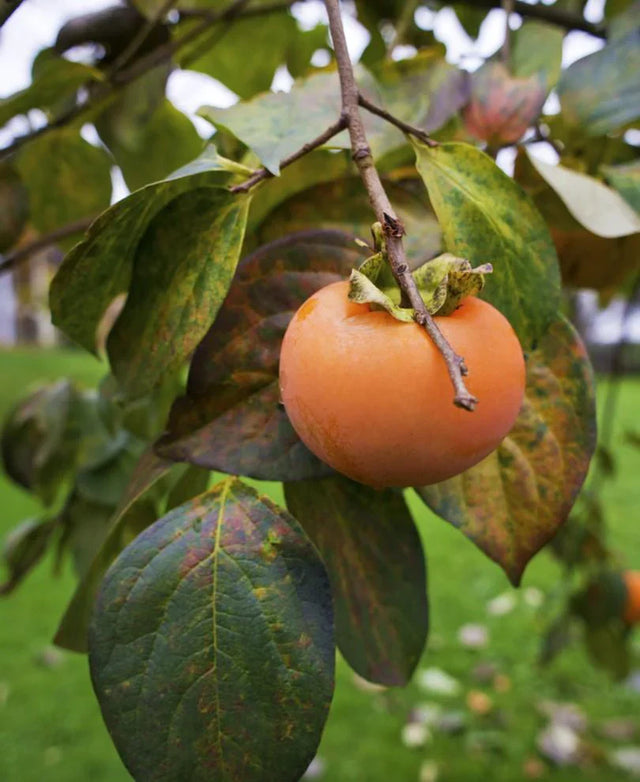
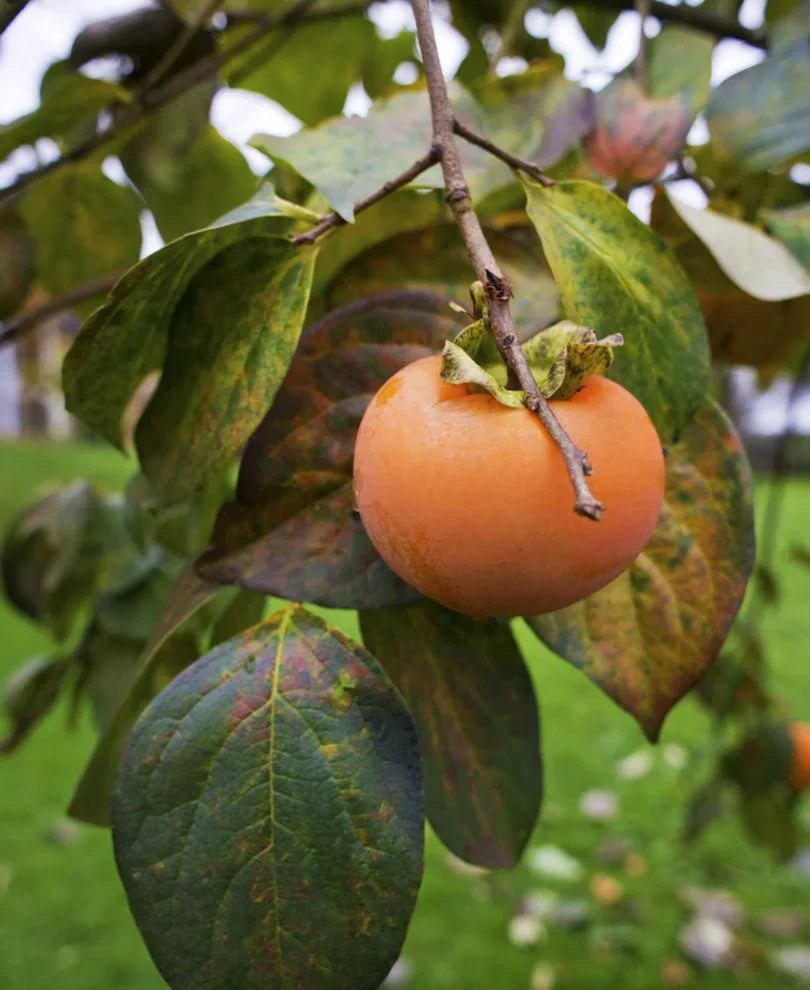
American Persimmon Seedlings (Diospyros virginiana)
Seed-grown American persimmons for wildlife groves and long-term food forests. They offer a lower-cost way to establish a population, with variation in fruiting, sex, and eventual tree form.
Key Characteristics
Wait for soft fruit
Harvest fruit when fully ripe and yielding, rather than assuming frost makes firm fruit edible. Soft pulp is useful in baking and preserves after seeds are removed.
Leaves feed large moths
Luna moth and hickory horned devil larvae use persimmon foliage. Raccoons, foxes, and other wildlife also take the fall fruit.
Male and female seedlings
These are unsexed seedlings, not guaranteed fruiting females. Plant several so a future grove has a better chance of both fruit-bearing trees and compatible pollen.
Seedlings versus named selections
Choose seedlings for population diversity and wildlife planting. For a selected fruiting clone, compare the 2027 Meader and Prok listings; seedlings will not duplicate those cultivars.
Product Details
- Plant type: Deciduous perennial tree or large shrub
- Native range: Central and eastern North America
- Sun: Full Sun; Part Sun/Shade
- Soil moisture: Medium; Medium-Dry
- Mature height: 30–80 feet
- Bloom: May–June; Cream, White, Yellow
- Fruit: Small orange fruit with very sweet soft pulp when fully ripe; firm fruit is strongly astringent.
- Harvest: September–November
- Pollination: Unsexed seedlings; plant several for a better chance of male pollen sources and fruiting females. Sex and individual fruiting are not guaranteed.
- Hardiness: USDA zones 4–9
- Stock: Seed-grown bare root plants; choose the seedling size.
Planting and Ongoing Care
Plant promptly and keep bare roots from drying out. Water the root zone, mulch clear of the stems, and protect seedlings from mowing damage and browsing. Base fertilizer on a soil test rather than feeding automatically; if needed, our Tree Planting Kit fertilizer blend should be used according to its label.
Protect young trunks and maintain a weed-free planting area. Established trees often need modest intervention; inspect leaf spots and dieback before treating, and allow some caterpillar feeding. Avoid insecticides on open flowers.
Interested in permaculture and stacking functions? Our fruit-tree guild guide explains how to combine planting layers and roles around fruit trees.
-
Sun RequirementsFull Sun, Part Sun/Shade
-
Soil RequirementsMedium, Medium-Dry
-
Bloom ColorCream, White, Yellow
-
Bloom TimeMay, June
-
USDA Hardiness ZonesZone 4, Zone 5, Zone 6, Zone 7, Zone 8, Zone 9+
Payment & Security
Payment methods
Your payment information is processed securely. We do not store credit card details nor have access to your credit card information.