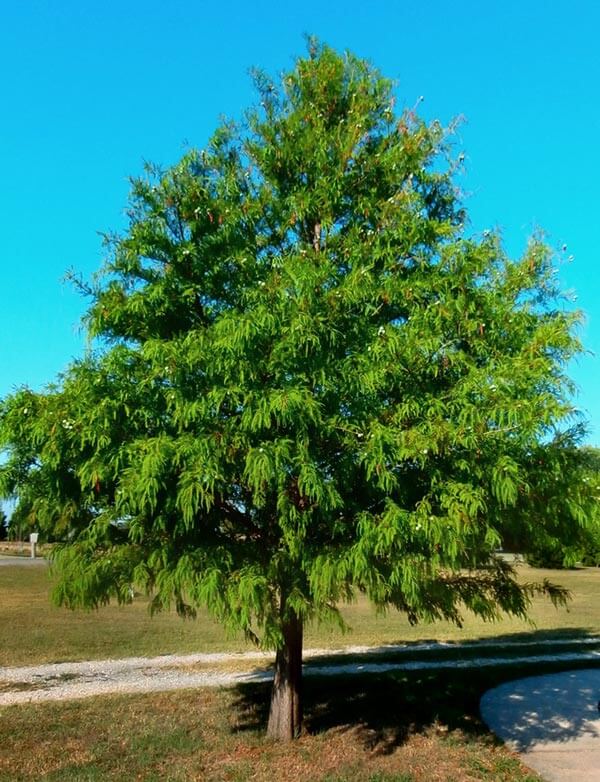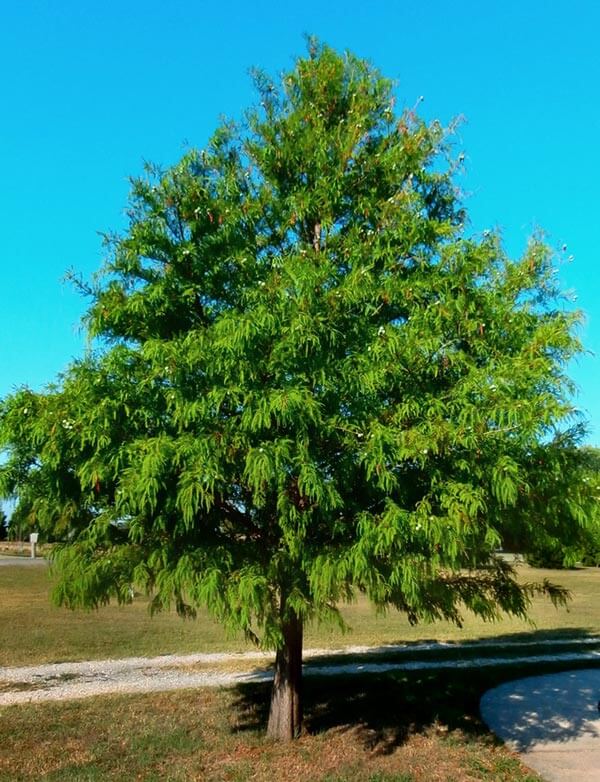
Bald Cypress, Bare Root
A conifer that changes with the seasons
Delivery and Shipping
Delivery and Shipping
Make sure to thoroughly review our entire "Shipping, Returns, Refunds, and Our Guarantee" page for all relevant details about ordering from our store.
Making a purchase from our store constitutes an agreement to all the conditions outlined in those policies.
We appreciate your support and look forward to being your favorite plant provider!
Subscribe to our newsletter
Sign up for exclusive offers.
Bald Cypress, Bare Root
Bald Cypress (Taxodium distichum)
A large conifer that sheds its needles for winter. Its soft summer canopy and coppery fall color fit wet ground, pond margins, and roomy landscapes with dependable establishment water.
Key Characteristics
Seeds for wetland birds
Wood ducks and wild turkeys eat the seeds. Older trees can develop hollows that shelter wildlife, adding a function that takes time to grow.
Wet ground is an opportunity
Unlike many conifers, it tolerates extended flooding. Roots may produce knees on wet sites, so leave space around paths and mowing routes.
Deciduous does not mean declining
Needles turn warm brown and drop in fall. Choose this for a seasonal canopy rather than an evergreen privacy screen.
Product Details
- Native range: Eastern and southeastern North America
- Life cycle: Deciduous conifer; woody perennial tree
- Sun: Full Sun; Part Sun/Shade
- Soil moisture: Medium; Medium-Wet; Wet
- Mature height: 50–70 feet; varies with seedling and site
- Pollen/cone season: March–April
- Pollen/cone colors: Green, Brown
- USDA hardiness zones: 4–9
- Fruit or seed: Rounded cones contain wildlife food seeds; not an edible fruit crop.
- Pollination: Wind-pollinated; no named partner is needed for landscape use.
Planting and Ongoing Care
Keep bare roots moist until planting and spread roots without bending them into a tight hole. Water during establishment, mulch clear of the trunk, and protect young trees from browsing and mowing damage. Base feeding on a soil test; our Tree Planting Kit fertilizer blend can be used according to its label when needed.
Check soil pH if needles yellow in alkaline ground. Remove dead twigs and inspect for twig blight before treating. Avoid insecticides on open flowers. These are seedlings rather than selected clones, so growth, flowering, and fruiting vary.
-
Sun RequirementsFull Sun, Part Sun/Shade
-
Soil RequirementsMedium, Medium-Wet, Wet
-
Bloom ColorGreen, Brown
-
Bloom TimeMarch, April
-
USDA Hardiness ZonesZone 4, Zone 5, Zone 6, Zone 7, Zone 8, Zone 9+
-
Native StatesDelaware, Maryland, Virginia, North Carolina, South Carolina, Georgia, Florida, Alabama, Mississippi, Louisiana, Arkansas, Missouri, Tennessee, Kentucky, Texas, Oklahoma
Payment & Security
Payment methods
Your payment information is processed securely. We do not store credit card details nor have access to your credit card information.