Oak, Northern Red
A long-term canopy with red-group acorns
Oak, Northern Red - 2 Gallon / 2-3' is backordered and will ship as soon as it is back in stock.
Pickup available at 2161 NC 213 Hwy
Usually ready in 24 hours
Delivery and Shipping
Delivery and Shipping
Make sure to thoroughly review our entire "Shipping, Returns, Refunds, and Our Guarantee" page for all relevant details about ordering from our store.
Making a purchase from our store constitutes an agreement to all the conditions outlined in those policies.
We appreciate your support and look forward to being your favorite plant provider!

Oak, Northern Red

Oak, Northern Red - 2 Gallon / 2-3' is backordered and will ship as soon as it is back in stock.
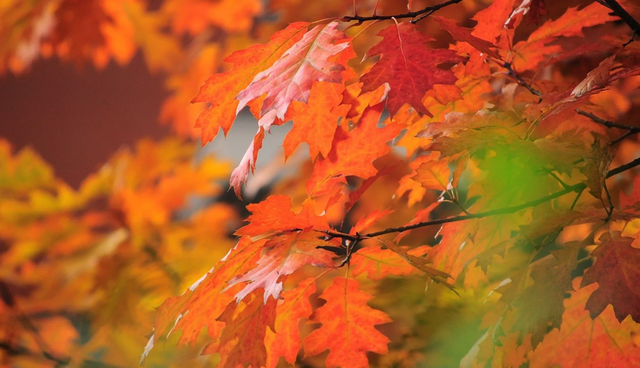
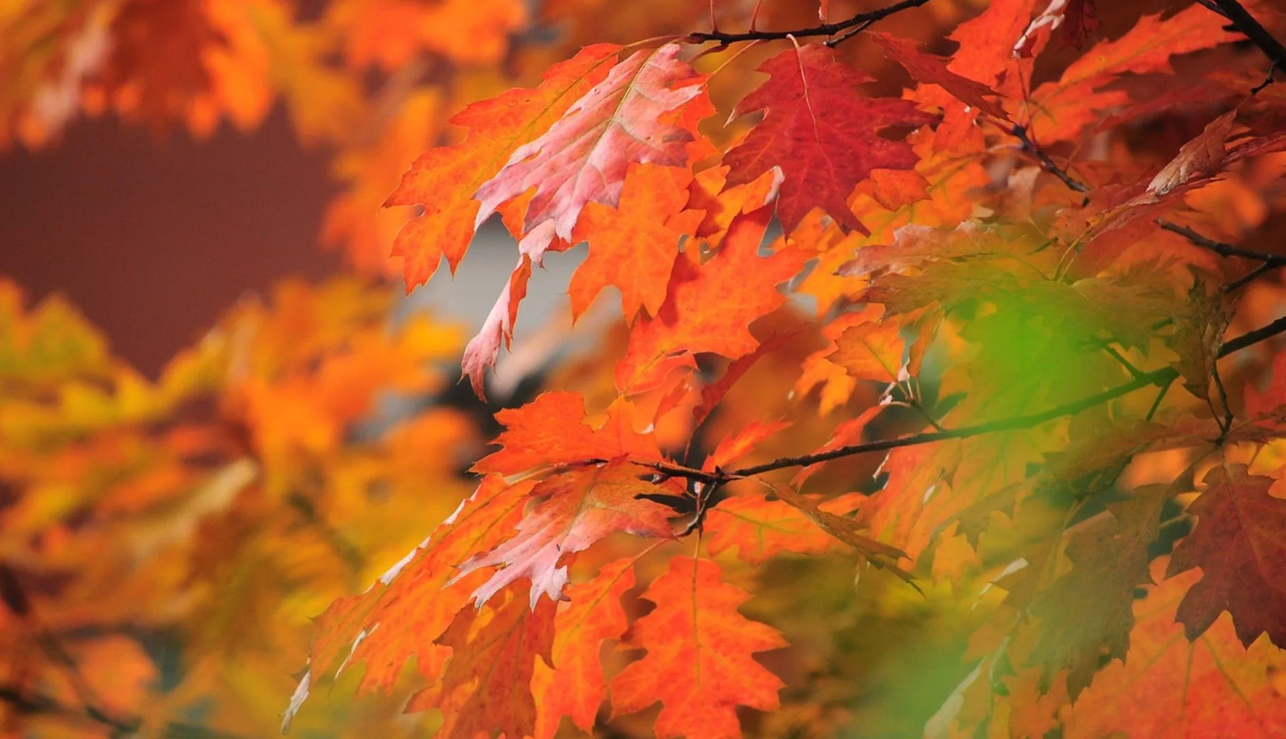
Northern Red Oak (Quercus rubra)
A substantial red-group oak for well-drained woodland restoration and broad shade. Seedlings vary in fall color, growth, and eventual crown form.
Key Characteristics
Build a long-term canopy
Plant where the mature crown and roots have room to spread. It is a different site choice from the oaks selected for repeated bottomland flooding.
Leaves feed a different food chain
Oak foliage supports caterpillars such as imperial moth and hairstreak larvae; insect-eating birds use this living food supply. Retain some leaf litter and healthy leaf feeding beneath a habitat tree.
Acorns take a compatible planting
Red-group oaks generally take two growing seasons to mature acorns. Plant several genetically different trees of the same species with overlapping pollen release for a more dependable mast planting.
Product Details
- Native range: Eastern and central North America
- Life cycle: Deciduous woody perennial tree
- Sun: Full Sun; Part Sun/Shade
- Soil moisture: Medium-Dry; Medium
- Mature height: 50–70 feet; varies with seedling and site
- Bloom time: April–May
- Bloom color: Green, Yellow
- USDA hardiness zones: 4–8
- Fruit or seed: Acorns for wildlife; crops and bearing age vary among seedlings. Human food use requires correct identification and thorough tannin removal.
- Pollination: Wind-pollinated; plant several genetically distinct trees of the same species or hybrid type for a better chance of overlapping pollen and acorn production.
Planning for Acorns
For a mast planting, choose genetically different trees with overlapping spring bloom; a different common name is not required. Our bare-root Northern Red oak seedlings offer another planting option. Independent seedlings differ genetically; extra stems or clones from one tree do not add that diversity.
Planting and Ongoing Care
Water the container root ball before planting and check for circling roots. Water during establishment, mulch clear of the trunk, and protect young trees from browsing and mowing damage. Base fertilizer decisions on a soil test.
Protect young trunks and roots from browsing, mowing, and compaction. Follow regional pruning guidance where oak wilt occurs; retain harmless galls and caterpillar feeding when practical. Avoid insecticides on open flowers. Growth, flowering, and bearing age vary among individual trees and sites.
-
Sun RequirementsFull Sun, Part Sun/Shade
-
Soil RequirementsMedium-Dry, Medium
-
Bloom ColorYellow, Green
-
Bloom TimeApril, May
-
USDA Hardiness ZonesZone 4, Zone 5, Zone 6, Zone 7, Zone 8
-
Native StatesAlabama, Arkansas, Connecticut, Delaware, Georgia, Illinois, Indiana, Iowa, Kansas, Kentucky, Louisiana, Maine, Maryland, Massachusetts, Michigan, Minnesota, Mississippi, Missouri, Nebraska, New Hampshire, New Jersey, New York, North Carolina, Ohio, Oklahoma, Pennsylvania, Rhode Island, South Carolina, Tennessee, Vermont, Virginia, West Virginia, Wisconsin
-
Product Guide
Payment & Security
Payment methods
Your payment information is processed securely. We do not store credit card details nor have access to your credit card information.