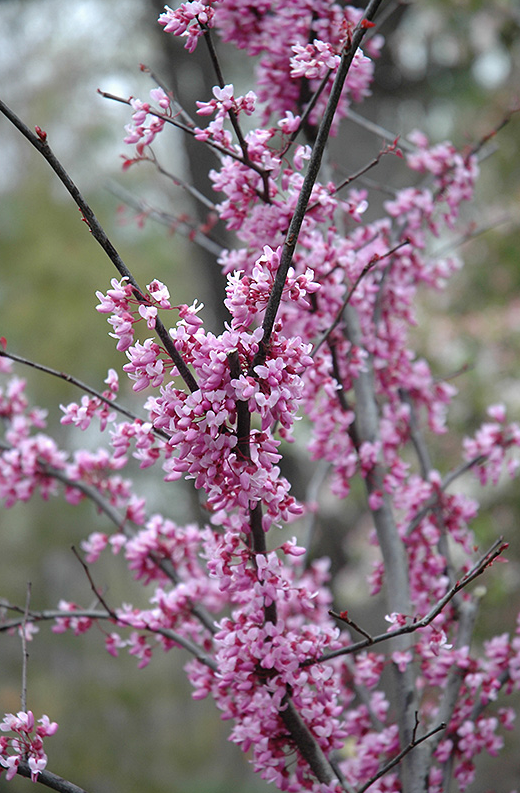
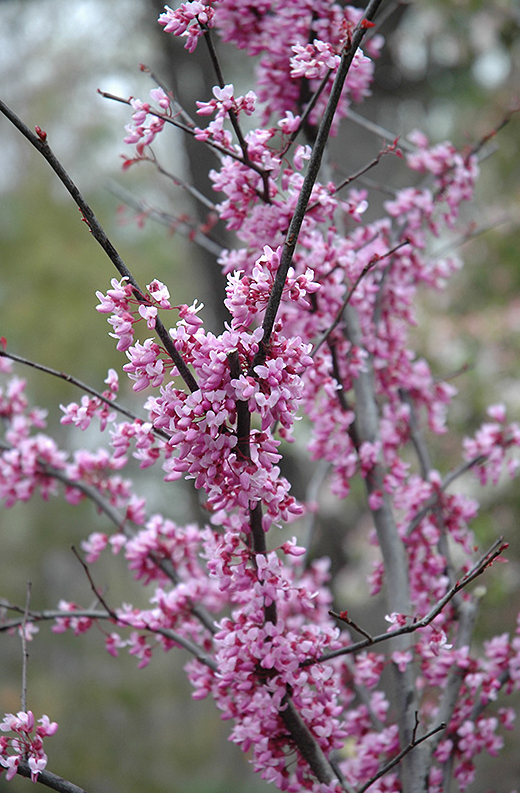
Redbud, Forest Pansy
Purple young leaves and rosy spring flowers
Redbud, Forest Pansy - 7 Gallon / 1” caliper is backordered and will ship as soon as it is back in stock.
Pickup available at 2161 NC 213 Hwy
Usually ready in 24 hours
Delivery and Shipping
Delivery and Shipping
Make sure to thoroughly review our entire "Shipping, Returns, Refunds, and Our Guarantee" page for all relevant details about ordering from our store.
Making a purchase from our store constitutes an agreement to all the conditions outlined in those policies.
We appreciate your support and look forward to being your favorite plant provider!
Redbud, Forest Pansy

Redbud, Forest Pansy - 7 Gallon / 1” caliper is backordered and will ship as soon as it is back in stock.
Forest Pansy Redbud (Cercis canadensis 'Forest Pansy')
Forest Pansy pairs rosy-purple spring flowers with reddish-purple, heart-shaped young leaves. Its broad crown supplies a middle layer in a mixed border, but it needs more room than the word compact may suggest.
Key Characteristics
Purple Foliage Changes with the Season
Young foliage is the strongest purple. Heat and summer conditions can fade it toward bronze or green; fall may bring red-orange and purple tones. Choose it for that seasonal sequence rather than expecting a uniform dark canopy all summer.
Spring Flowers and Dry Seed Pods
Bees and other insects visit the early flowers. Flat pods follow where seed sets, sometimes remaining into winter; the seeds can be used by birds and small mammals. The tree is grown for its ornamental form, and a fruit-tree pollination partner is not needed to enjoy the display.
Allow the Crown to Spread
Give it moist but freely draining soil in sun or partial shade. Afternoon shade can help on hot sites. Protect thin bark from injury, and guide crowded branches while young. Mixing it with green-leaved native shrubs adds another canopy layer and a wider variety of host foliage.
Product Details
- Origin: A cultivated selection of eastern and central North American redbud.
- Sun: Full sun to partial shade.
- Soil: Medium to medium-dry, well-drained soil; water during establishment.
- Mature height: About 20–30 feet.
- Mature spread: About 25–35 feet.
- Bloom: Rosy pink-purple flowers before leaf-out, generally March–April locally; timing varies with climate.
- Hardiness: USDA zones 5–9.
- Fruit or seed: Flat pods that mature brown; primarily an ornamental and habitat tree, not an orchard crop.
Planting and Ongoing Care
Choose its permanent site while the tree is young. Water the root ball before planting, address circling roots, and mulch clear of the trunk. Water during dry spells and protect the thin bark from mowers and trimmers. Inspect dying branches for cankers; prune selectively after flowering rather than repeatedly shearing the canopy.
-
Sun RequirementsFull Sun, Part Sun/Shade
-
Soil RequirementsMedium, Medium-Dry
-
Bloom ColorLavender, Pink
-
Bloom TimeMarch, April
-
USDA Hardiness ZonesZone 5, Zone 6, Zone 7, Zone 8, Zone 9+
-
Native StatesAlabama, Arkansas, Connecticut, Delaware, Florida, Georgia, Illinois, Indiana, Iowa, Kansas, Kentucky, Louisiana, Maryland, Massachusetts, Michigan, Mississippi, Missouri, Nebraska, New Jersey, New Mexico, New York, North Carolina, Ohio, Oklahoma, Pennsylvania, South Carolina, Tennessee, Texas, Virginia, West Virginia, Wisconsin
-
Product Guide
Payment & Security
Payment methods
Your payment information is processed securely. We do not store credit card details nor have access to your credit card information.